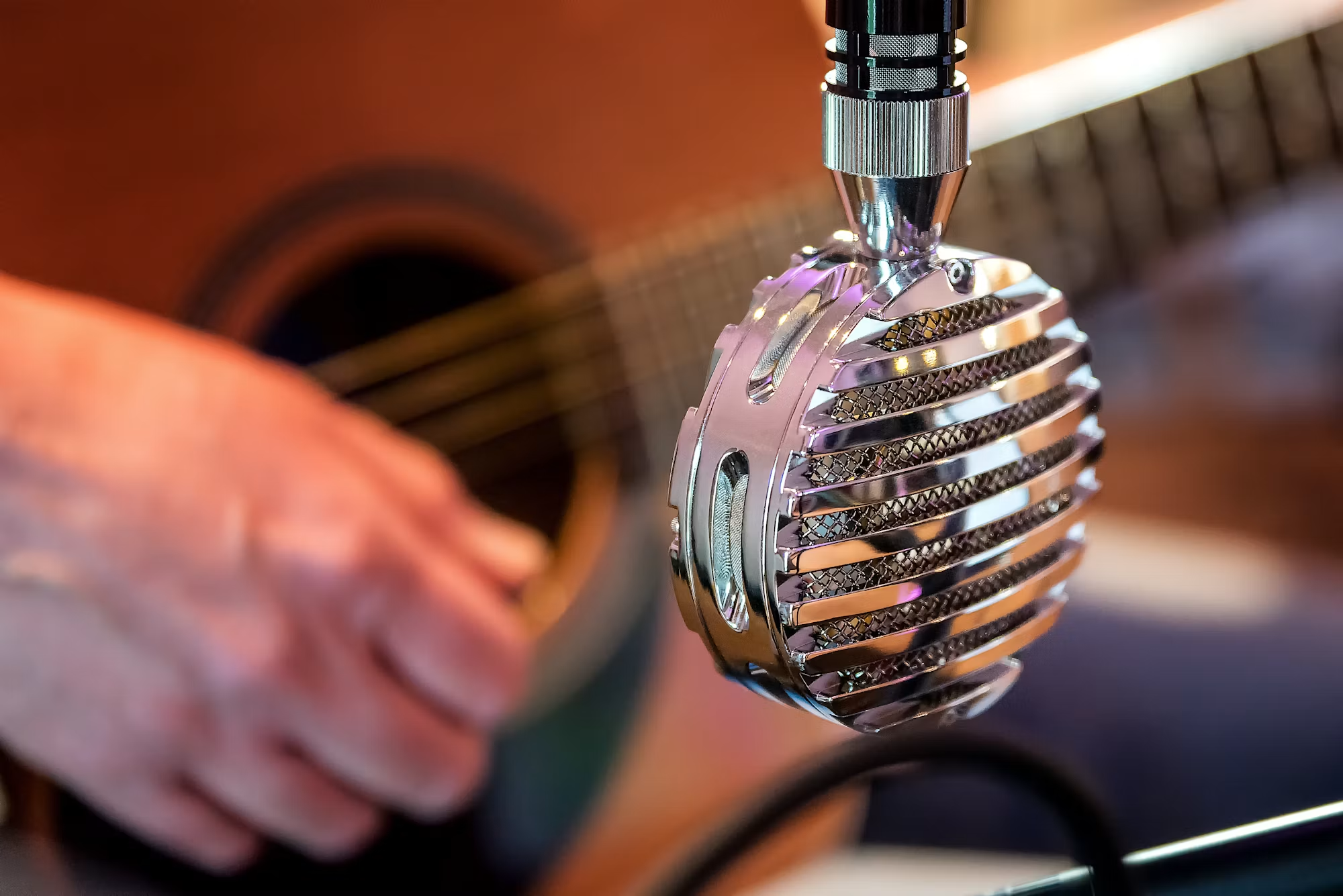
Fingerstyle guitar is a unique and expressive technique that allows musicians to explore a wide range of sounds and emotions. Unlike traditional strumming methods, fingerstyle enables the guitarist to pluck individual strings with the fingertips or nails, creating a more nuanced and intricate sound. This article delves into the history of fingerstyle guitar, its various techniques, and the influential artists who have brought this style to the forefront of music.
The Origins of Fingerstyle Guitar
The roots of fingerstyle guitar can be traced back to ancient string instruments, where players would often use their fingers to produce sound. However, it was in the 19th century that fingerstyle began to take shape as a distinct technique for the guitar. Classical composers such as Fernando Sor and Francisco Tárrega played pivotal roles in establishing fingerstyle as a formal method of guitar playing, incorporating intricate melodies and harmonies into their compositions.
As the guitar gained popularity in folk and blues music during the early 20th century, fingerstyle techniques began to evolve. Artists like Mississippi John Hurt and Elizabeth Cotten showcased how fingerstyle could convey emotion and storytelling, laying the groundwork for future generations of guitarists.
Techniques That Define Fingerstyle
Fingerstyle guitar encompasses a variety of techniques that enhance its expressiveness. One of the most common methods is the use of fingerpicking patterns, where each finger is assigned to a specific string. This allows for complex arrangements, enabling the guitarist to play melody, harmony, and rhythm simultaneously. Techniques such as arpeggios, harmonics, and slides further enrich the fingerstyle repertoire, allowing players to create diverse sounds and textures.
Another defining aspect of fingerstyle is the use of thumbpicking, popularized by country and folk musicians. This technique employs the thumb to play bass lines while the fingers focus on melody and chords, creating a rich harmonic foundation. Notable practitioners of thumbpicking include Chet Atkins and Merle Travis, whose innovative styles have influenced countless guitarists.
Influential Fingerstyle Guitarists
Throughout the decades, many artists have elevated fingerstyle guitar, each bringing their unique voice to the technique. One of the most significant figures is Tommy Emmanuel, known for his dazzling performances and intricate arrangements. His ability to combine melody and rhythm seamlessly showcases the full potential of fingerstyle guitar. Emmanuel’s energetic playing and use of percussive techniques have inspired a new generation of musicians to embrace fingerstyle.
Another influential artist is Andy McKee, whose compositions often blend elements of folk, rock, and classical music. McKee’s innovative use of tapping and harmonics has garnered him a vast online following, demonstrating the power of fingerstyle to captivate audiences. His viral hit “Drifting” exemplifies how fingerstyle can evoke deep emotional responses through music.
The contributions of artists like Pierre Bensusan, known for his use of alternate tunings, and Michael Hedges, who pushed the boundaries of the guitar with his percussive style, further highlight the diversity within the fingerstyle genre. Each of these musicians has expanded the possibilities of fingerstyle guitar, showcasing its adaptability across various musical landscapes.
The Emotional Depth of Fingerstyle Guitar
One of the most compelling aspects of fingerstyle guitar is its ability to convey profound emotion. The subtleties of the technique allow for dynamic expression, enabling musicians to create a wide emotional range—from the serene to the passionate. The individual character of each player adds a unique voice to the music, inviting listeners to connect on a personal level.
In genres like folk and blues, fingerstyle guitar often serves as a narrative tool. Artists like Nick Drake and Leonard Cohen utilized fingerstyle techniques to enhance their storytelling, adding depth to their lyrics through melodic intricacies. The interplay between voice and guitar creates a powerful synergy, allowing for a richer listening experience.
Fingerstyle in Contemporary Music
In recent years, fingerstyle guitar has continued to evolve, finding its place in contemporary music across various genres. Many modern artists are incorporating fingerstyle techniques into pop, rock, and even electronic music, showcasing the versatility of the guitar. Collaborations between fingerstyle guitarists and musicians from different backgrounds have resulted in innovative fusions, pushing the boundaries of traditional styles.
The rise of social media and online platforms has also played a significant role in popularizing fingerstyle guitar. Platforms like YouTube and Instagram have provided a space for aspiring guitarists to share their skills and connect with audiences worldwide. The accessibility of online lessons and tutorials has made it easier for beginners to learn fingerstyle techniques, fostering a vibrant community of musicians.
Conclusion
Fingerstyle guitar represents a rich tradition that combines technique, emotion, and creativity. From its classical origins to its contemporary expressions, fingerstyle has continuously evolved, showcasing the guitar’s limitless potential. Influential artists have paved the way for future generations, inspiring countless musicians to explore this expressive style. As fingerstyle continues to grow and adapt, its ability to convey deep emotional narratives ensures that it will remain a vital part of the musical landscape for years to come.